A grave is not always held forever.
In Australia, what people often call a grave lease is usually a burial or interment right. Depending on the cemetery and type of right, it may be perpetual or apply for a fixed period.
When a fixed-term right expires, the grave is not necessarily removed immediately. The right may be renewed, or the cemetery may eventually reuse the site if it is not renewed.
For families planning ahead, there is another question worth asking:
What happens to the memorial and the place your family will visit decades from now?
What happens when a grave lease expires?
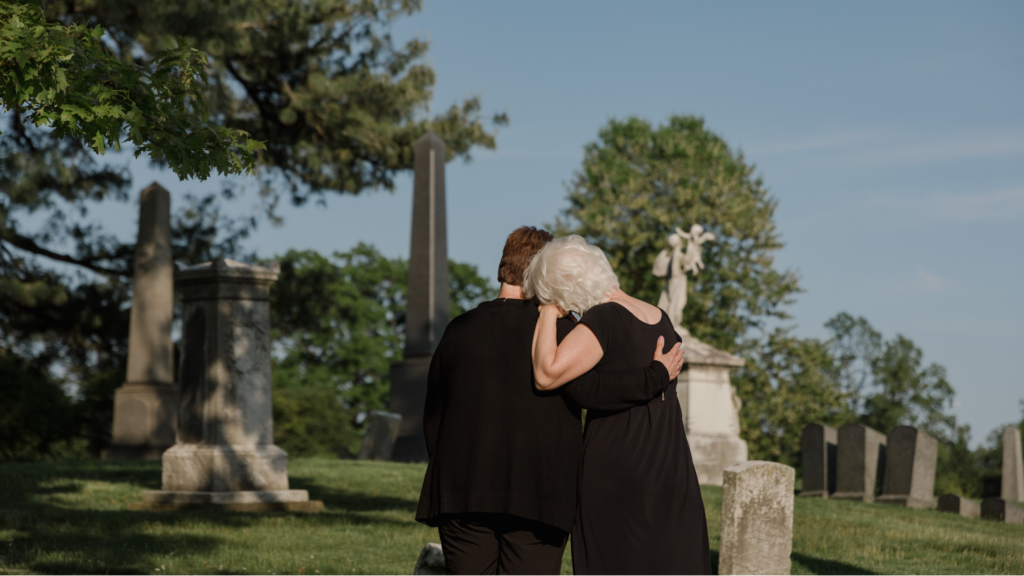
There is no single rule across Australia.
In Western Australia, for example, the Metropolitan Cemeteries Board issues a Grant of Right of Burial for 25 years. The right can be renewed for another 25 years, with further renewals possible by agreement. When the grant expires, control of the gravesite reverts to the Board. Metropolitan Cemeteries Board
Other states have different arrangements. NSW has both perpetual and renewable interment rights, with renewable rights applying for defined periods. NSW Cemeteries and Crematoria
If a fixed-term right expires, the cemetery’s rules determine whether and how it can be renewed.
Before choosing a burial place, ask:
- Is the right perpetual or fixed-term?
- How long does it last?
- Can it be renewed?
- What does renewal cost?
- What happens if the family does not renew it?
- What happens to the memorial if the area is eventually redeveloped?
These details may not seem important when a burial is first arranged. They can become much more significant decades later.
What if the family does not renew it?
An expired right does not usually mean that a grave is immediately removed.
The process depends on the cemetery and the type of interment right. In WA, for example, once a Grant of Right of Burial expires, control of the gravesite reverts to the Metropolitan Cemeteries Board. Metropolitan Cemeteries Board
In NSW, a renewable interment right can eventually allow a site to be reused. The state’s guidance explains that when a renewable interment period ends, existing remains can be respectfully removed and placed in an ossuary box before the grave is reused. NSW Cemeteries and Crematoria
What happens to the remains and memorial therefore depends on the cemetery, the type of right and the applicable rules.
The important point is that a burial right and the physical memorial are not necessarily permanent in the same way.
A family may need to keep track of the tenure, respond to renewal requirements and consider future costs or other arrangements.
Why cemetery renewal can be difficult for families
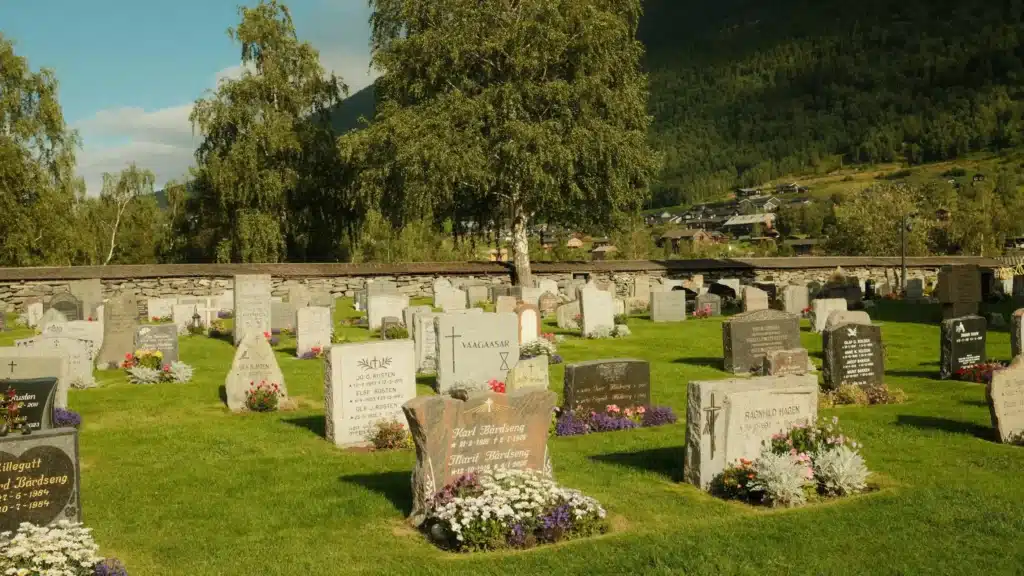
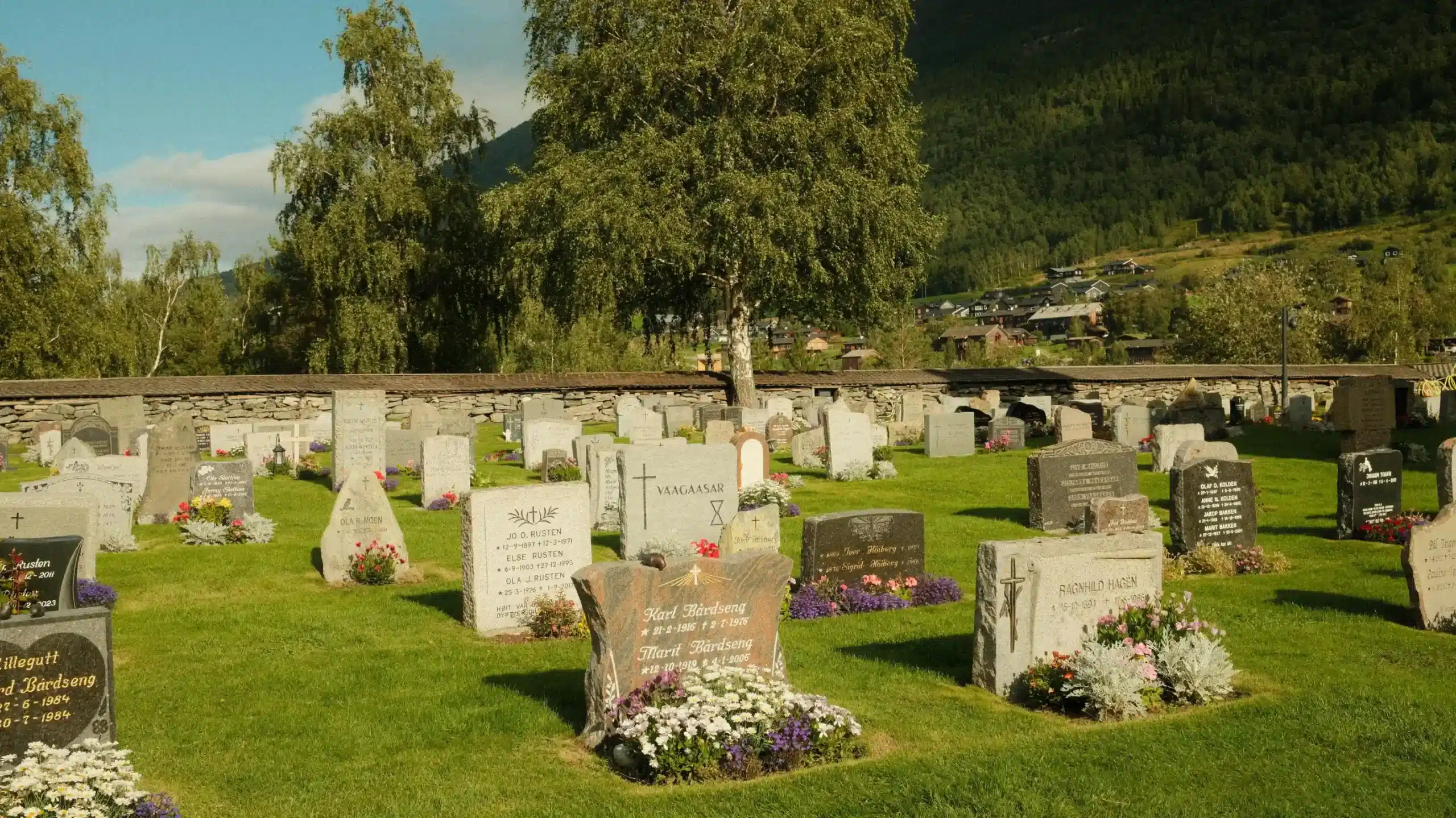
For many families, a cemetery is more than a collection of graves.
A parent may be buried beside a grandparent. Children may visit the same headstone for decades. Over time, several generations can become connected to the same section of a cemetery.
That is why cemetery renewal can be emotionally difficult, even when the remains themselves are not disturbed.
Karrakatta Cemetery in Perth opened in 1899 and has undergone cemetery renewal since the 1970s. The Metropolitan Cemeteries Board says the program makes new burial and memorial space available by using unused areas between existing graves, rather than exhuming or moving existing graves. Surface memorials such as headstones and kerbing may, however, be relocated. Metropolitan Cemeteries Board
For families with relatives buried there over many decades, the concern can therefore be about more than where the remains are located.
It can also be about whether future generations will still recognise and find the place connected with their family history.
A recent example shows why this can become deeply personal. Nine.com.au reported on Louise Scruth, who has more than 20 relatives buried at Karrakatta. The report described concerns about the renewal of family graves and the impact on a family with many relatives buried there over generations.
Karrakatta’s renewal process can involve:
- Existing graves: The MCB says original graves are not exhumed or moved as part of the renewal program.
- Headstones and monuments: Some may be retained in place, while others may be relocated to nearby gardens or memorial areas.
- Family involvement: Registered families are contacted and can make submissions to have a grave retained.
- Original locations: Under the MCB’s newer approach, small monuments are reinstated over original graves where possible. Where that is not possible, the original grave can be marked with a small plaque and the monument relocated as close as possible to the original grave.
- Future records: The MCB creates photographic records and Memorial Books for renewed sections to help preserve information about original interments and their locations. Metropolitan Cemeteries Board
The MCB has acknowledged the emotional connection families have to final resting places and the importance of considering these connections during cemetery renewal. Metropolitan Cemeteries Board
The Board has also described consultation around cemetery renewal as a potentially confronting topic for families and the wider community. Karrakatta Cemetery Public Consultation
For a family whose relatives have been buried in the same cemetery for generations, this can raise a difficult question:
Will future generations still have the same place to visit and recognise as part of their family history?
What should you consider before choosing a grave?
Traditional burial can provide a physical place for a family to visit and remember someone. But the long-term arrangements should be understood before choosing a grave.
Consider:
- Tenure: Is the right perpetual or fixed-term?
- Renewal: Will your family need to renew the right in the future?
- Cost: Are renewal or other future fees involved?
- Location: Could the cemetery eventually have a renewal or redevelopment program?
- Memorial: What happens to the headstone or other memorial if the area is renewed?
- Family: Will future generations know where the original grave is and how to find it?
The answers vary between cemeteries, so there is no single outcome for every burial.
Comparing long-term burial options & alternatives
When planning a memorial, the initial price and location are only part of the decision.
It is also worth considering what the family may need to manage 25, 50 or 100 years from now.
| Traditional burial | Living legacy | |
|---|---|---|
| What is memorialised? | A grave, usually with a headstone or plaque | A living tree and its location |
| Tenure | May be perpetual or fixed-term, depending on the cemetery | Depends on the provider’s terms |
| Renewal | May be required for a fixed-term right | No recurring grave-tenure renewal |
| Future costs | Renewal or other cemetery fees may apply | Depends on the provider and package |
| Cemetery redevelopment | The grave or surface memorial may be affected by future renewal programs | Not dependent on cemetery grave renewal |
| Remains | Buried in a cemetery | Cremated ashes incorporated into the soil around the tree |
| Memorial form | Headstone, plaque or other cemetery memorial | Living tree and forest setting |
This is not a comparison between something that is “permanent” and something that is “temporary.”
Both options have different long-term arrangements, and families need to understand the specific terms before making a decision.
The key question is:
What will my family need to do to maintain this memorial in the future?
With a fixed-term burial right, that may include monitoring the tenure, renewing the right and paying applicable fees. It may also mean understanding what happens if the cemetery eventually renews or redevelops the area.
A memorial forest works differently. There is no cemetery grave with a recurring tenure period to renew. Instead, families should understand the provider’s terms for the tree, memorial location, maintenance and any future fees.
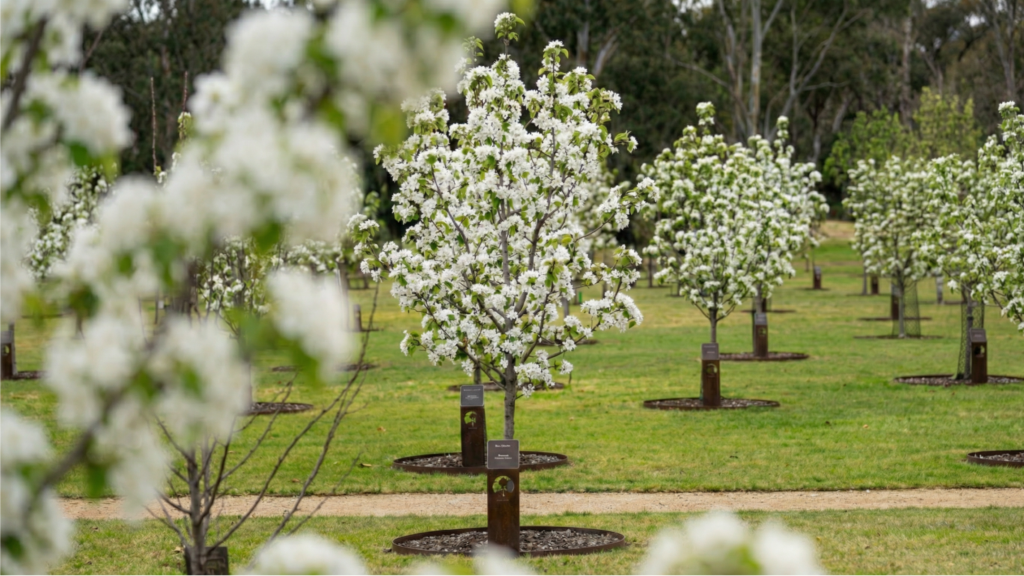
Another way to create a lasting memorial
For families who choose cremation, a memorial forest offers a different approach to remembrance.
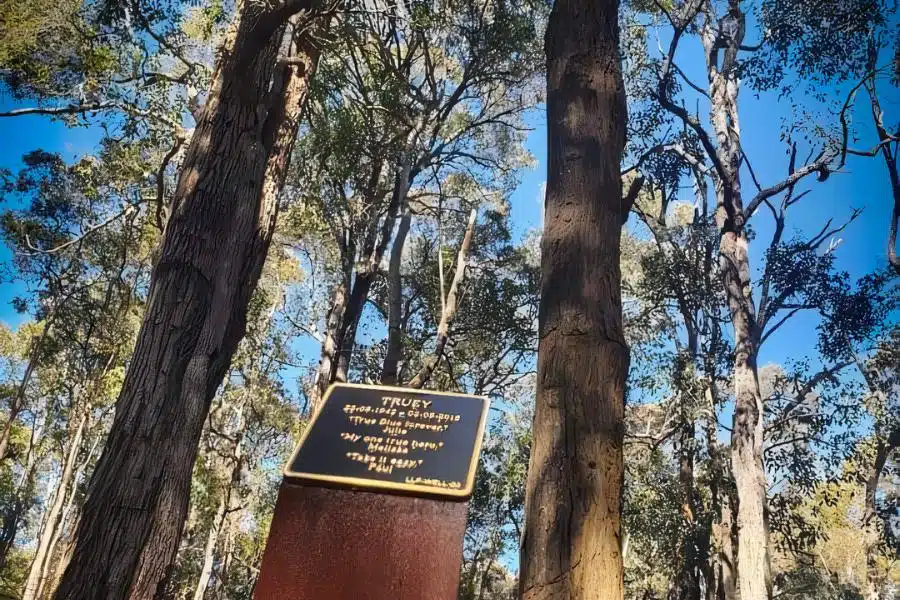
Instead of purchasing a burial plot and maintaining a conventional headstone, treated ashes can become part of the soil around a living tree. The tree and its location become the focus of the memorial.
Cremated ashes are highly alkaline, with a pH of around 12, so untreated ashes should not simply be placed around a tree. Living Legacy Forest treats the ashes before they are incorporated into the soil, as explained in Bury Ashes Under Tree.
Living Legacy Forest has memorial locations across Australia, including Mornington Green in Victoria, Living Conservation Forest at Wellington Dam in Western Australia, and Piper’s Ridge Sanctuary in New South Wales.
A memorial forest is not the right choice for every family, and its terms should be understood just as carefully as those of a cemetery. Families should ask what is included, how the memorial is maintained, whether future fees apply and what happens to the memorial over the long term.
The difference is that a memorial forest does not use a recurring grave-tenure period.
For families planning ahead, that can be an important distinction.
The question is not simply where someone will be memorialised today. It is what that memorial arrangement means for the family that comes after them.